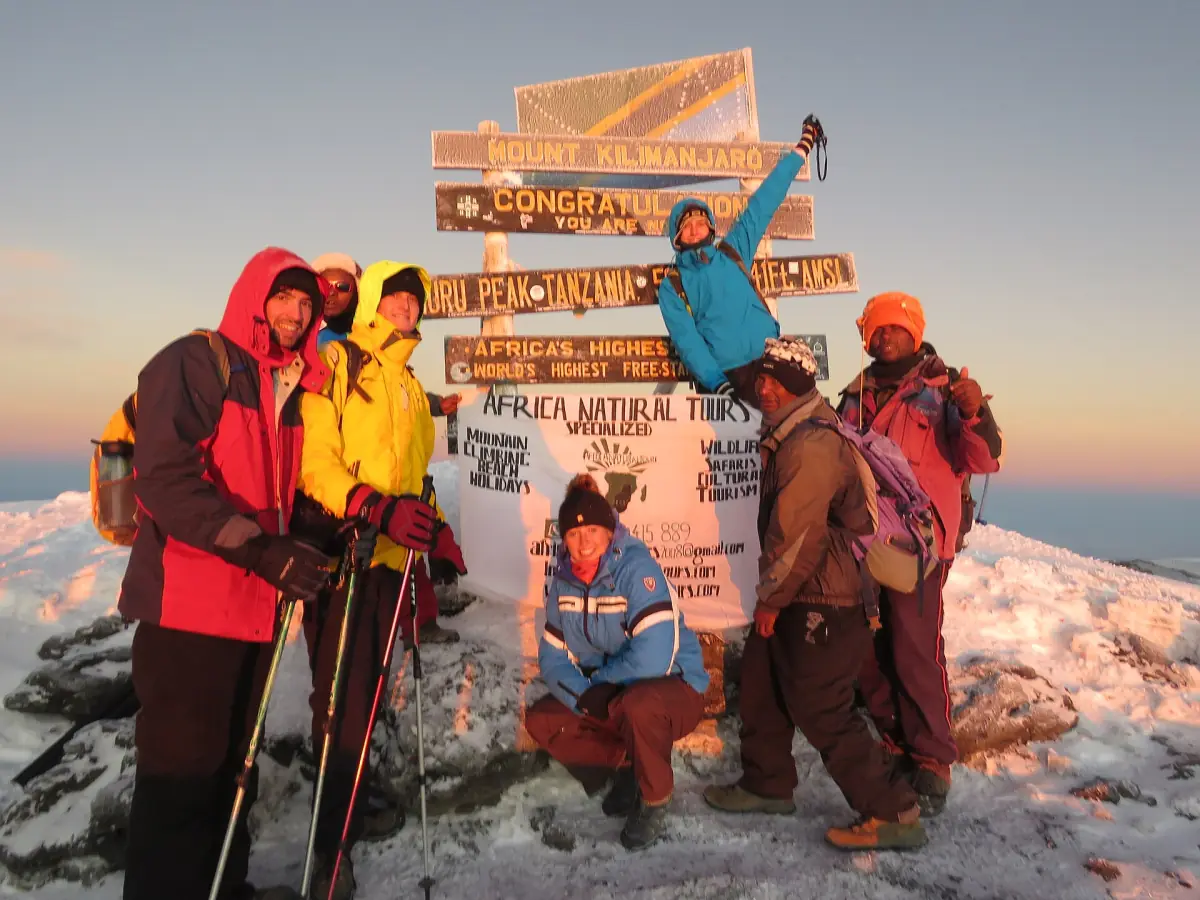
Climbing Kilimanjaro: what you actually book
Every ascent of Kilimanjaro is organised by a licensed operator with a guide. You choose a route, a number of days and a group size, and the operator arranges park fees, camping or huts, the mountain crew and meals. Solo trekking is not allowed.
Pay attention to how days are counted. A programme sold as 8 days on Lemosho takes 10 calendar days from arrival to departure, because the first and last day are travel days around the walking days. A typical 2026 package covers park, camping, hut and rescue fees, VAT, the mountain crew, mountain meals, tent and mat and two hotel nights in Moshi. It leaves out flights, airport transfers, personal gear and tips.
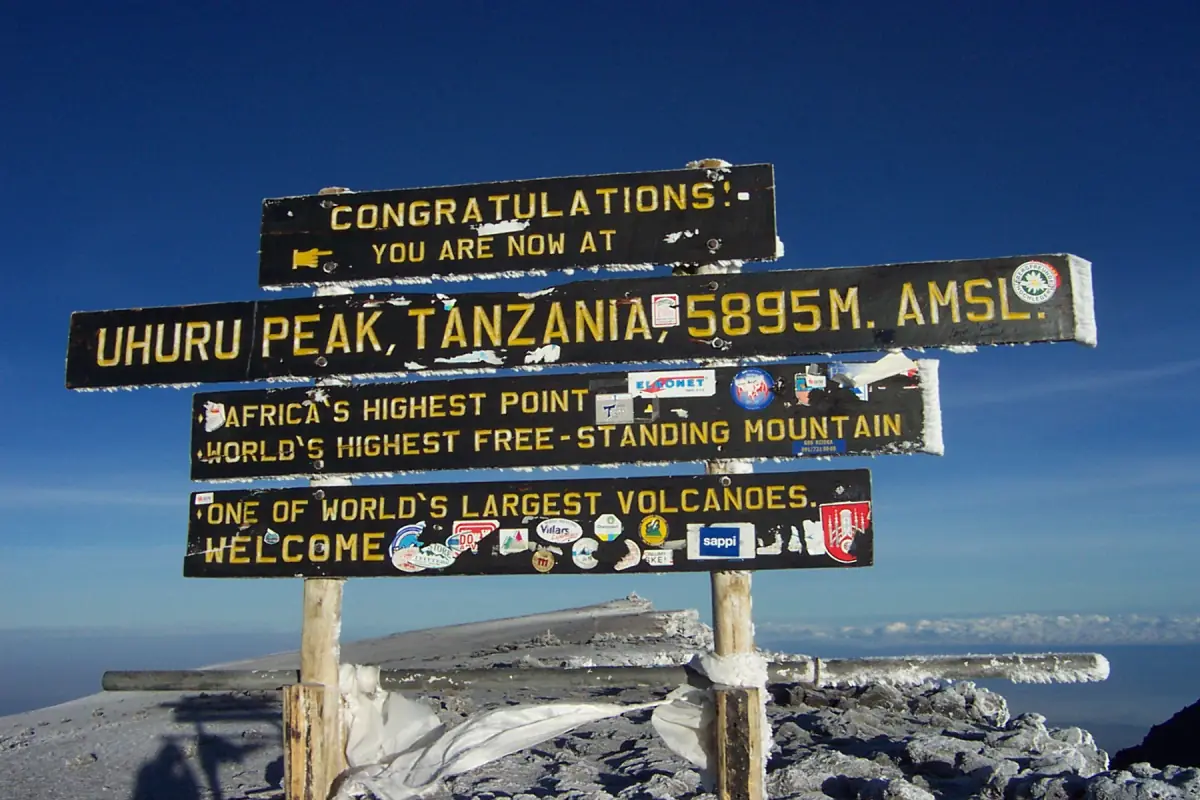
Our picks: climb Kilimanjaro
Our take: the Machame trek includes fees, crew wages and two hotel nights; the Rongai climb starts from the north; the Northern Circuit is the long way round with more days to adjust to the height.
Hand-picked tours, booked through GetYourGuide. Prices are indicative starting prices in US dollars (as of October 2026). Tap a tour for live availability and the current price in your currency.
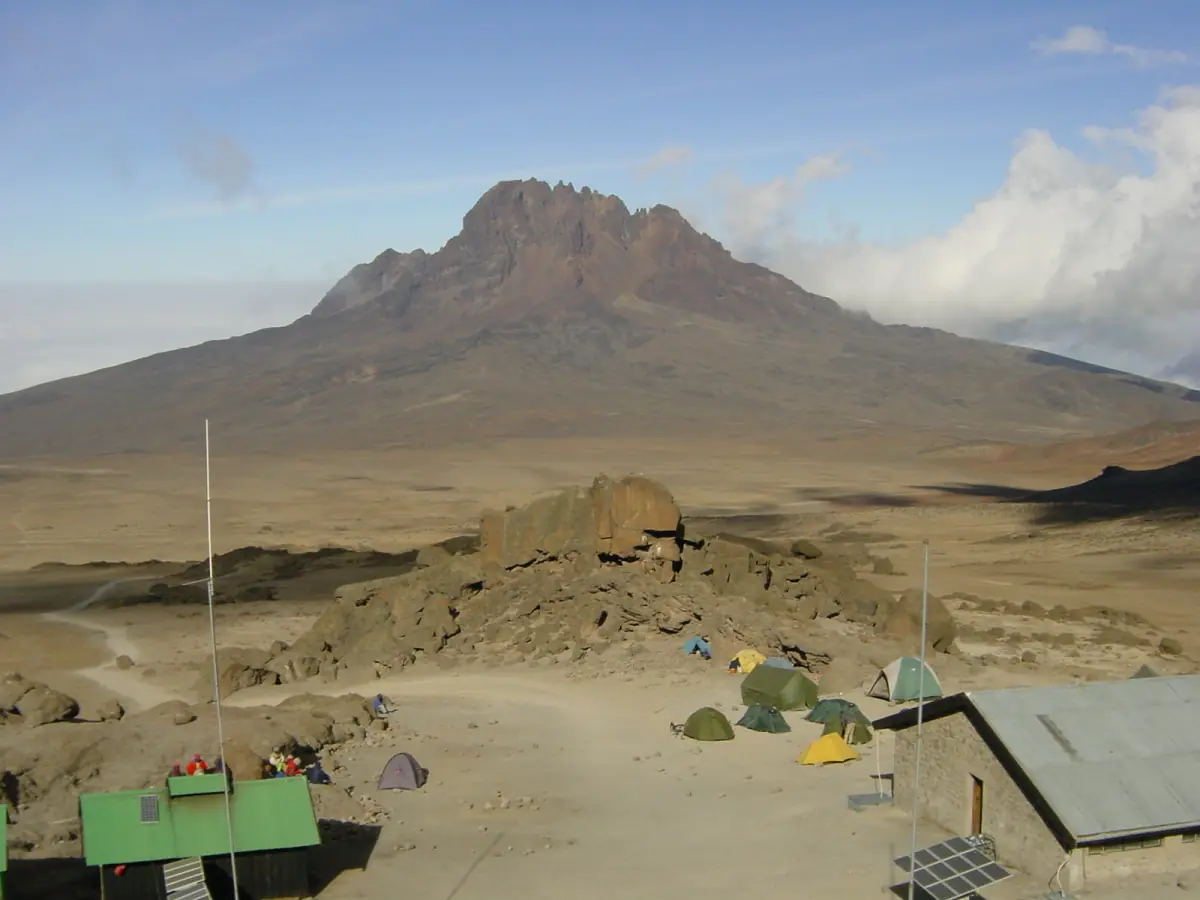
Rongai route climb in 6 days
- All park fees
- Guide, cook and porters
- Two nights in Moshi
All park fees, guide, cook and porters, two nights with breakfast in Moshi, full board on the mountain and emergency oxygen. Bring your own sleeping bag.
Check availability →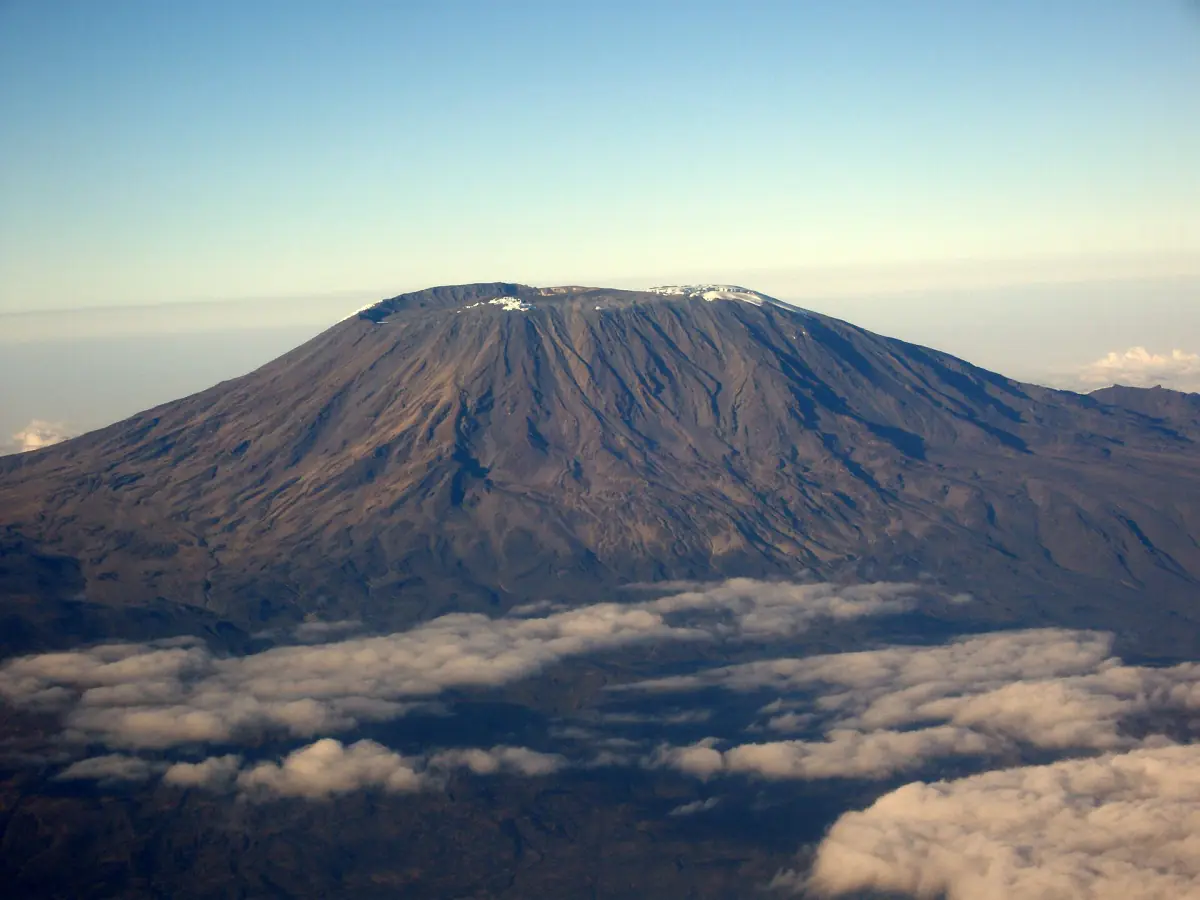
Northern Circuit climb in 8 days
- Park and rescue fees
- Crew wages
- Meals on the mountain
Park and rescue fees, wages for guides, porters and cooks, and meals on the mountain on the longest route around Kibo. Airport transfers are extra.
Check availability →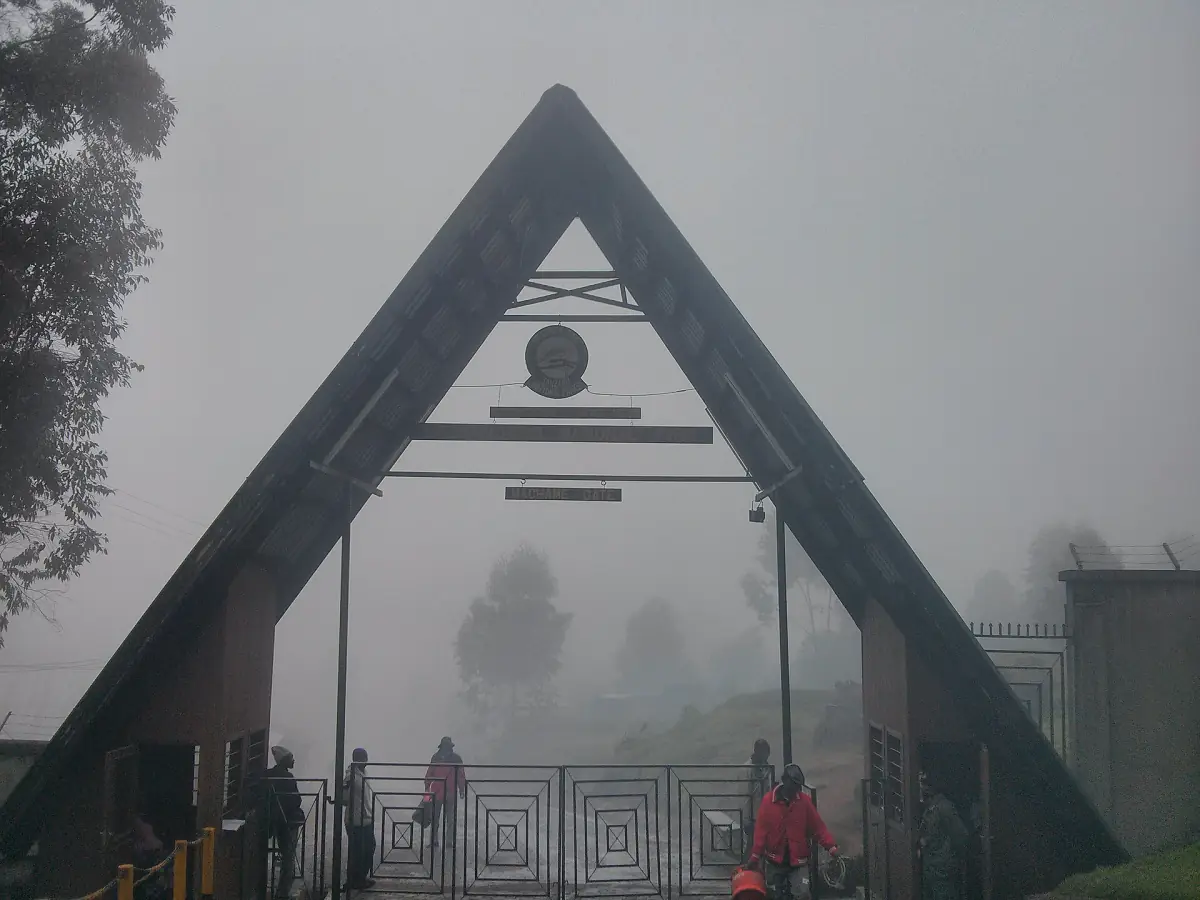
Machame route in 6 days with airport transfer
- Park and rescue fees
- Fair crew wages
- Two hotel nights
Park and rescue fees, fair wages for guides and porters, two hotel nights, airport transfers, camping gear and meals on the mountain.
Check availability →Kilimanjaro treks and day trips
Multi-day climbs and trips from Moshi, with live prices and availability.
The main routes in short
Programmes are examples, not fixed schedules.
Machame: 6 or 7 days
Camps are Machame Camp, Shira 2, Barranco, Karanga and Barafu, with the descent to Mweka Gate. The 6-day version skips the night at Karanga. A day over Lava Tower at 4,630 m ends lower at Barranco, which helps with acclimatisation.
Machame Route →Marangu: 5 or 6 days
The only route with huts: Mandara, Horombo and Kibo. Up and down use the same path. The sleeping rooms are shared, mattresses are provided and you bring your own sleeping bag. The longer version adds a day at Horombo.
Marangu Route →Lemosho: 7 to 9 days
The western approach crosses the Shira plateau. The standard 8-day programme sleeps at Mti Mkubwa, Shira 1, Moir, Barranco, Karanga and Barafu. Private departures run for 7, 8 and 9 days.
Lemosho Route →Rongai: 6 to 8 days
The northern approach, usually 7 days, with camps at Rongai Cave, Kikelewa, Mawenzi Tarn and Kibo. The descent follows the Marangu path.
All routes →Northern Circuit: 8 to 10 days
The longest option at about 88 km, usually 9 days. It starts in the west, circles Kibo to the north and reaches the summit from the east.
All routes →Umbwe: 6 or 7 days
A steep, direct climb from the south. The first camp is at about 2,900 m and Barranco at about 3,976 m on the next day. That is a fast gain in altitude.
All routes →Routes compared
Approximate figures. Lengths depend on the variant.
| Route | Days on the mountain | Sleeping | Approximate length | Profile |
|---|---|---|---|---|
| Machame | 6 to 8, usually 7 | Tents | 57 to 62 km | South approach, Lava Tower, Barafu |
| Marangu | 5 or 6 | Huts | 67 to 82 km | Same path up and down |
| Lemosho | 7 to 9, usually 8 | Tents | 65 to 70 km | West approach over Shira |
| Rongai | 6 to 8, usually 7 | Tents | 68 to 81 km | North approach |
| Northern Circuit | 8 to 10, usually 9 | Tents | About 88 km | Circles Kibo, summit from the east |
| Umbwe | 6 or 7 | Tents | About 53 km | Steep direct climb from the south |
For most climbers, a programme of 7 or 8 days on Machame or Lemosho is a sensible starting point, because it gives more nights to adapt to the altitude than a short Marangu or Umbwe climb. Huts do not make a fast gain in altitude any less demanding. The routes page goes into more detail.
Example prices for 2026
Per person, example prices for 2026. Offers vary.
| Group | Example | Price |
|---|---|---|
| Budget group departures | 5 days Marangu, 7 days Machame, 8 days Northern Circuit | $1,399, $1,799 and $2,199 |
| Local private offers | 7 days Machame, 8 days Lemosho | $1,870 to $2,600, depending on group size |
| Higher-priced groups | 8 and 9 days Lemosho | $3,299 and $3,629 |
| Premium departures | Machame, Western Approach and Grand Traverse in December 2026 | $4,990 to $9,190 |
The premium prices cover whole trips in calendar days, not only the days on the mountain. Compare what is inside each offer before you compare the totals. The cost page lists park fees, extras and tips.
Altitude, crew and safety
Things to settle before you pay.
Altitude affects everyone
Headache, nausea, dizziness and tiredness after gaining height are the usual signs of altitude sickness. Fitness does not protect you from it. Above 3,000 m, medical guidance advises sleeping no more than about 500 m higher per day and adding a rest night for every 1,000 m. Talk to your doctor before the trip.
Altitude and fitness →Know when to go down
Confusion, loss of coordination or breathlessness at rest are warning signs. In that case you descend and get medical care. Do not sleep higher with symptoms.
Porters and tips
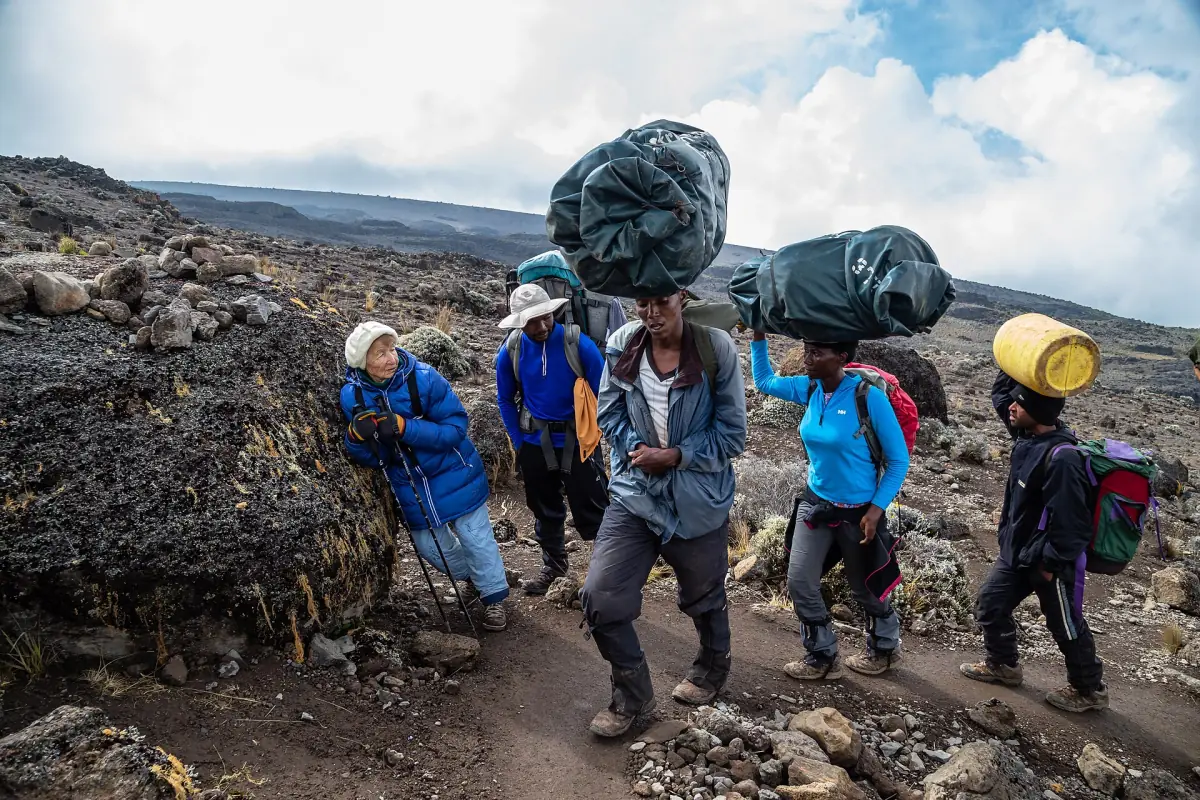
Porter welfare guidelines limit the load to 20 kg per porter on top of personal luggage and call for three proper meals a day, suitable clothing and shelter. Ask your operator about crew size and the tipping procedure before the climb, and hand over tips in front of the crew.
Tips and costs →Gear and timing
You can rent boots, jackets, sleeping bags and poles in Moshi. The dry windows are December to mid March and late June to October, but rain and snow stay possible at any time.
Packing list →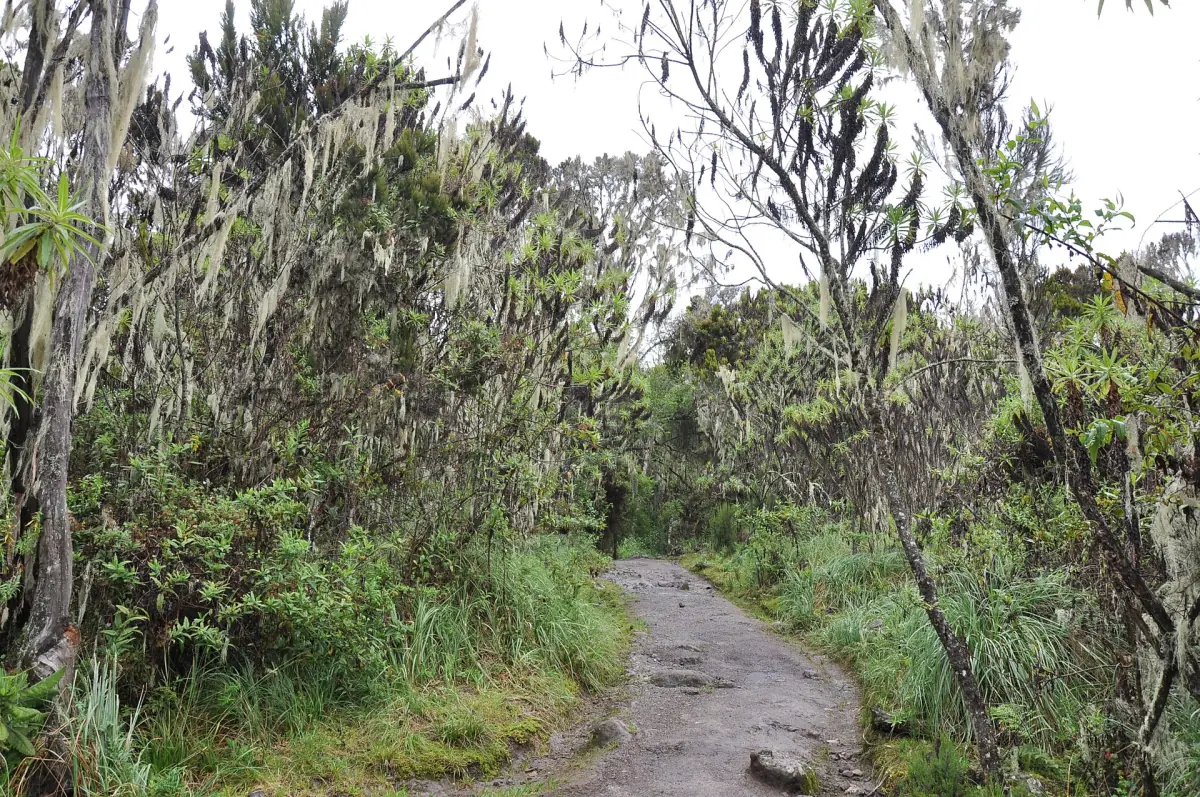
Climbing Kilimanjaro: frequently asked questions
How many days do I need to climb Kilimanjaro?
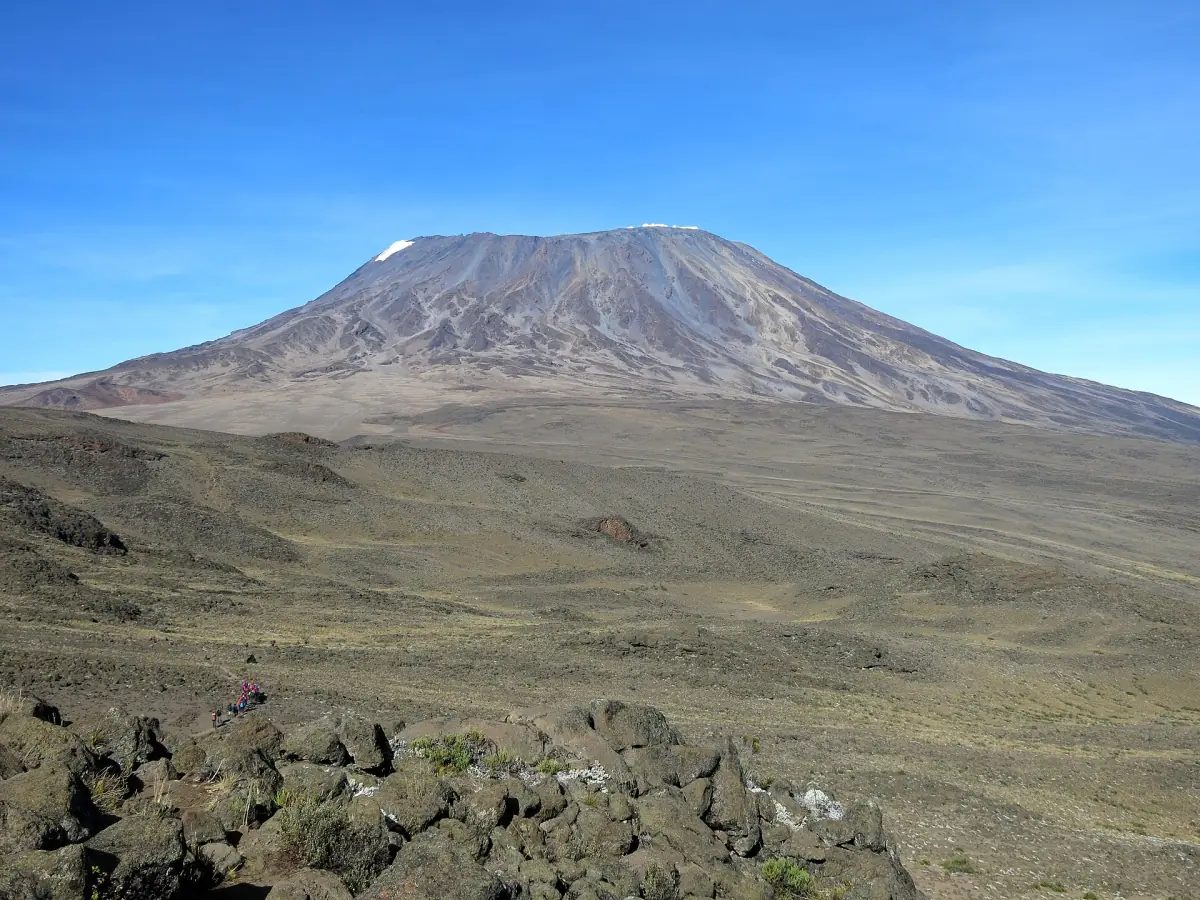
Programmes run from 5 days on Marangu to 10 days on the Northern Circuit. Count two more calendar days for arrival and departure. Longer programmes give your body more time to adapt to the altitude.
How much does it cost to climb Kilimanjaro?
Example prices for 2026 range from $1,399 for a 5-day Marangu group departure to $9,190 for a premium Grand Traverse. Park fees are normally part of the price, and flights, tips and personal gear are not.
Can I climb Kilimanjaro without a guide?
No. Ascents need a licensed operator and guide, and solo trekking is not allowed.
Is there a cable car to the top?
No. A link from Machame Gate to Shira Station has been proposed, but there is no start of construction and no operating date. Beware of anything sold as a summit cable car ticket.
Do I need travel insurance for Tanzania?
Entry insurance for the mainland has been required since October 2026 and costs $44 for stays of up to 92 days. Ask what it covers, and talk to your operator about cover for high-altitude trekking.
Is kilimanjaro-national-park.org run by an operator or the park?
No. This is an independent travel guide. It is not the website of the national park, of Tanzania National Parks or of any climbing operator.