Kilimanjaro weather at a glance
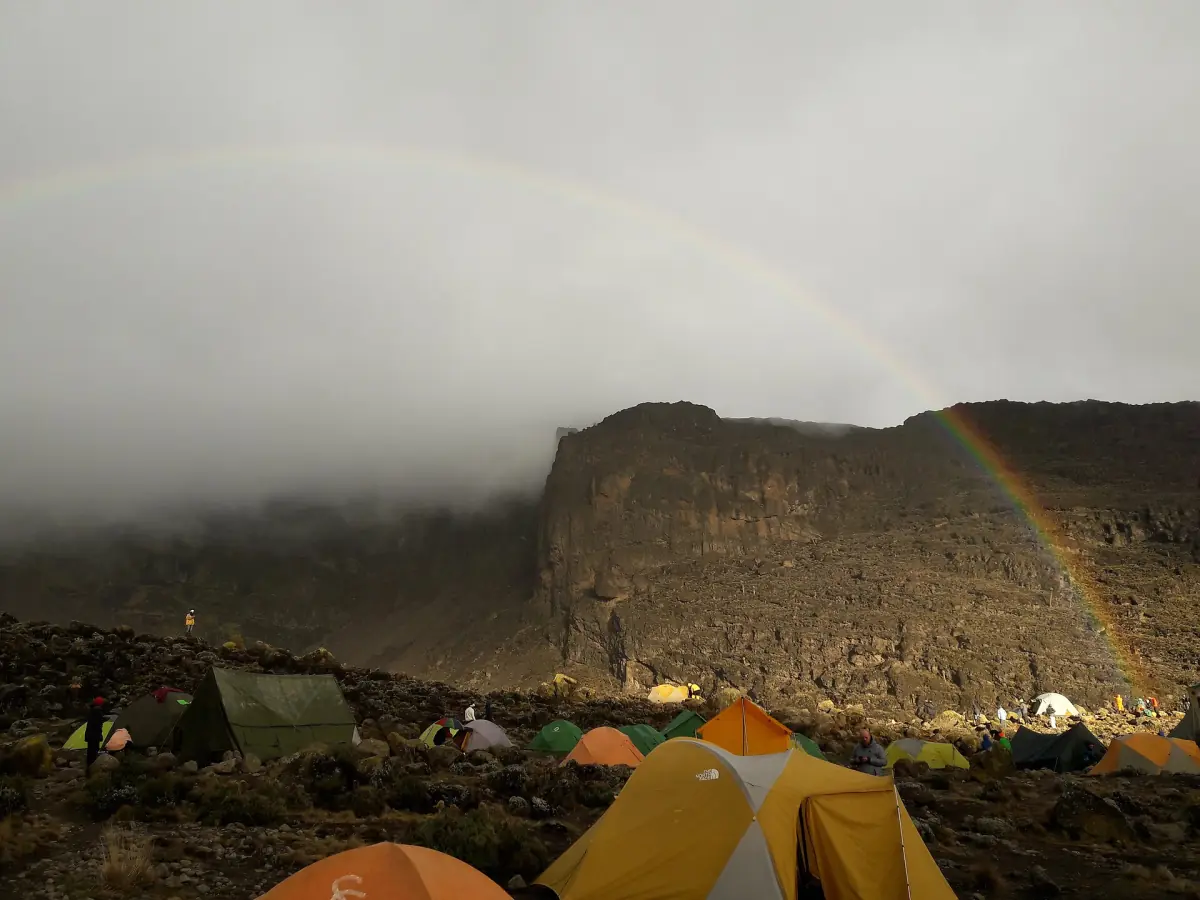
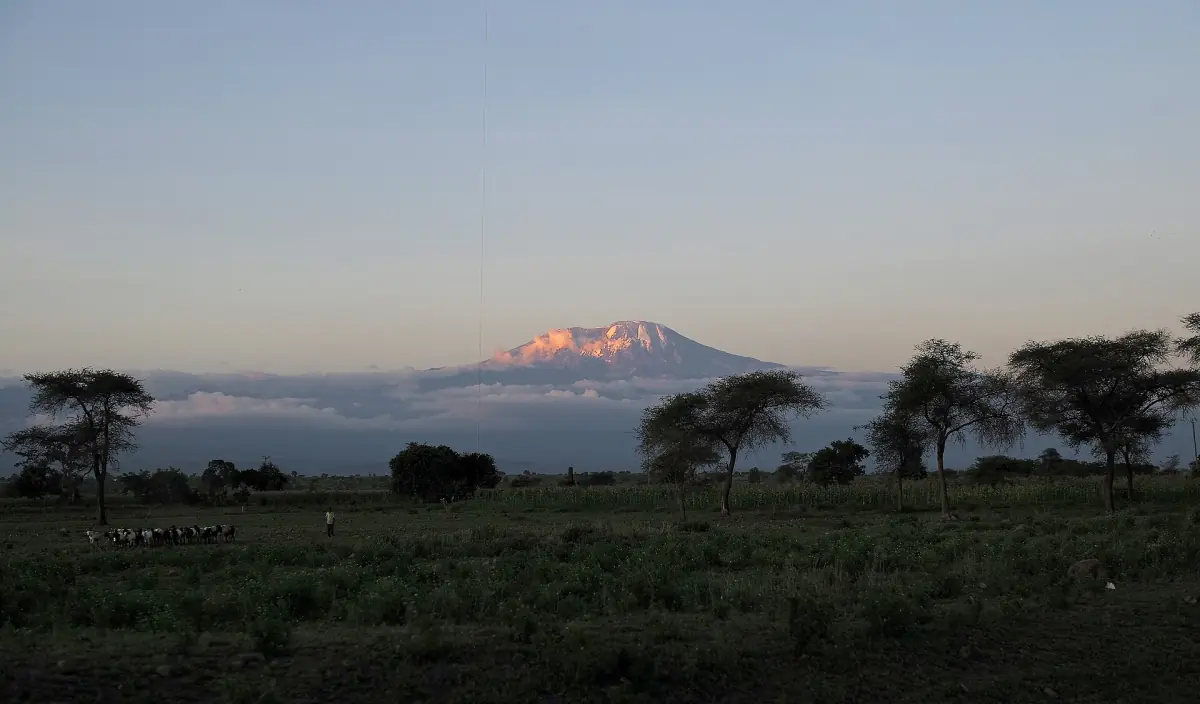
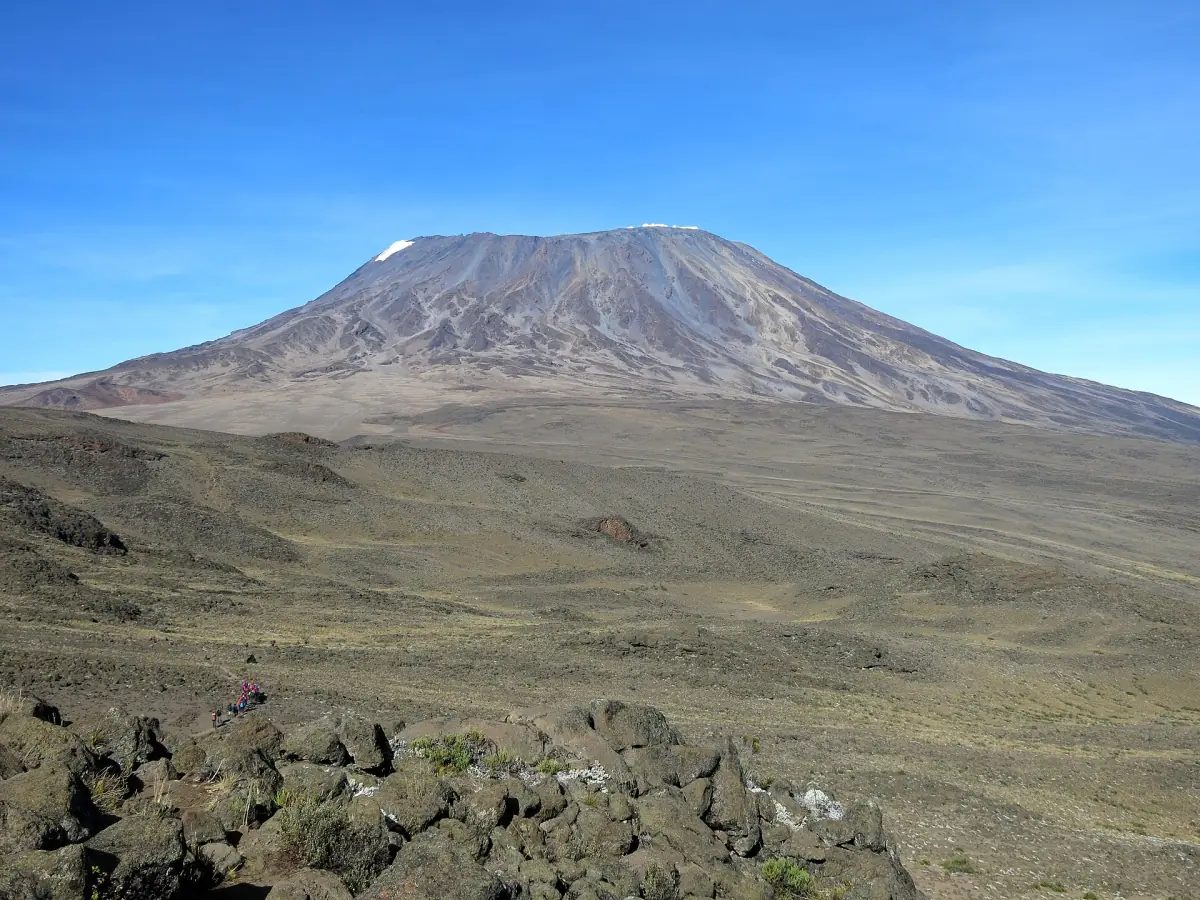
On Kilimanjaro the weather depends on altitude more than on the calendar. You start in the forest, cross open heath and end in the cold, thin air of the summit zone. Conditions vary with height and can change within hours, so a forecast for the town tells you little about the upper mountain.
There are two rainy periods in the wider region. Masika, the long rains, runs from March to May, and Vuli, the shorter rains, from October to December. Their start and strength differ from year to year. Even in the months most climbers prefer, rain and snow remain possible. If you are still choosing dates, compare the options on our page for Kilimanjaro treks and tours.
How the weather changes with altitude
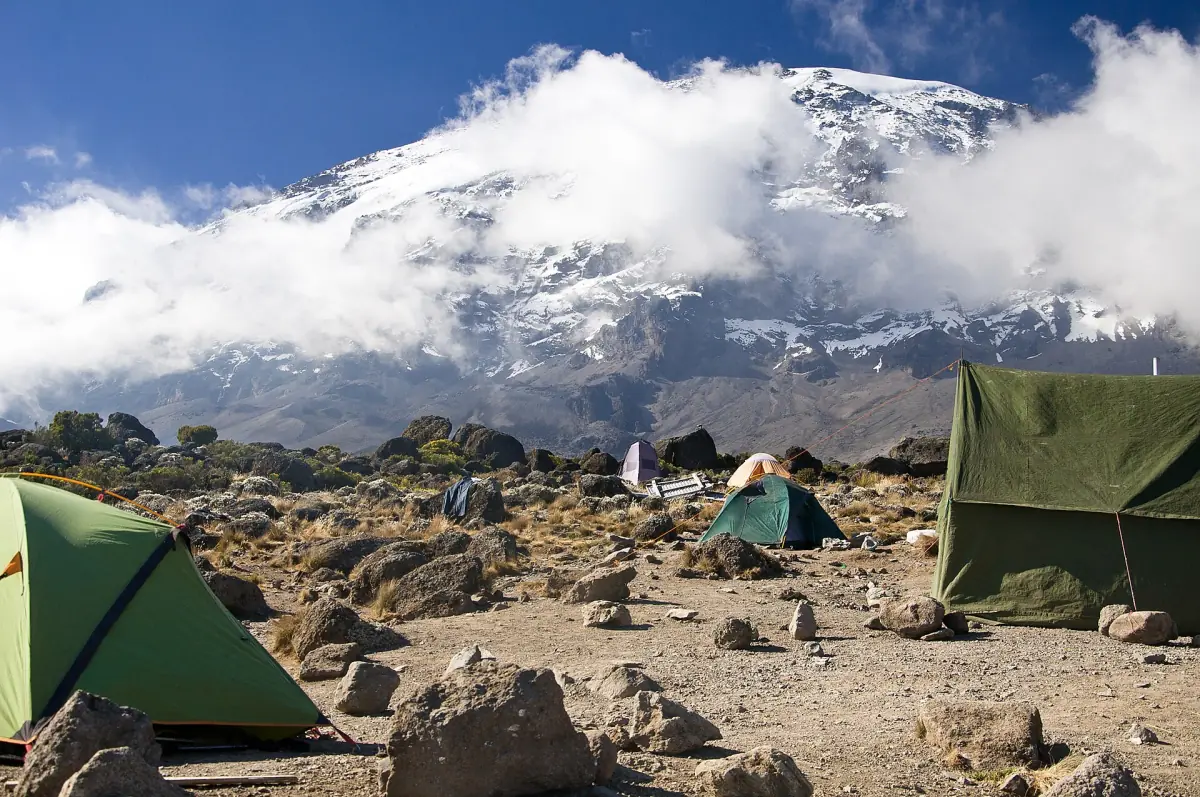
The Machame route as an example. Heights are approximate.
| Stop | Height | What it means for you |
|---|---|---|
| Machame Camp | 2,850 m | First night in a tent, still in the lower zones |
| Shira 2 | 3,810 m | The second camp, about 960 m higher than the first |
| Lava Tower | 4,630 m | The high point of the day, followed by a lower night |
| Barranco | 3,976 m | The lower sleeping height after Lava Tower |
| Karanga | 3,995 m | A camp near 4,000 m in the 7-day version |
| Barafu | 4,673 m | The base for summit night |
| Mweka | 3,068 m | The descent camp, much lower again |
For most trekkers, the right kit is the one for the camps near 4,000 m and for Barafu, not the one for the town where you start.
Our pick: a day below the mountain
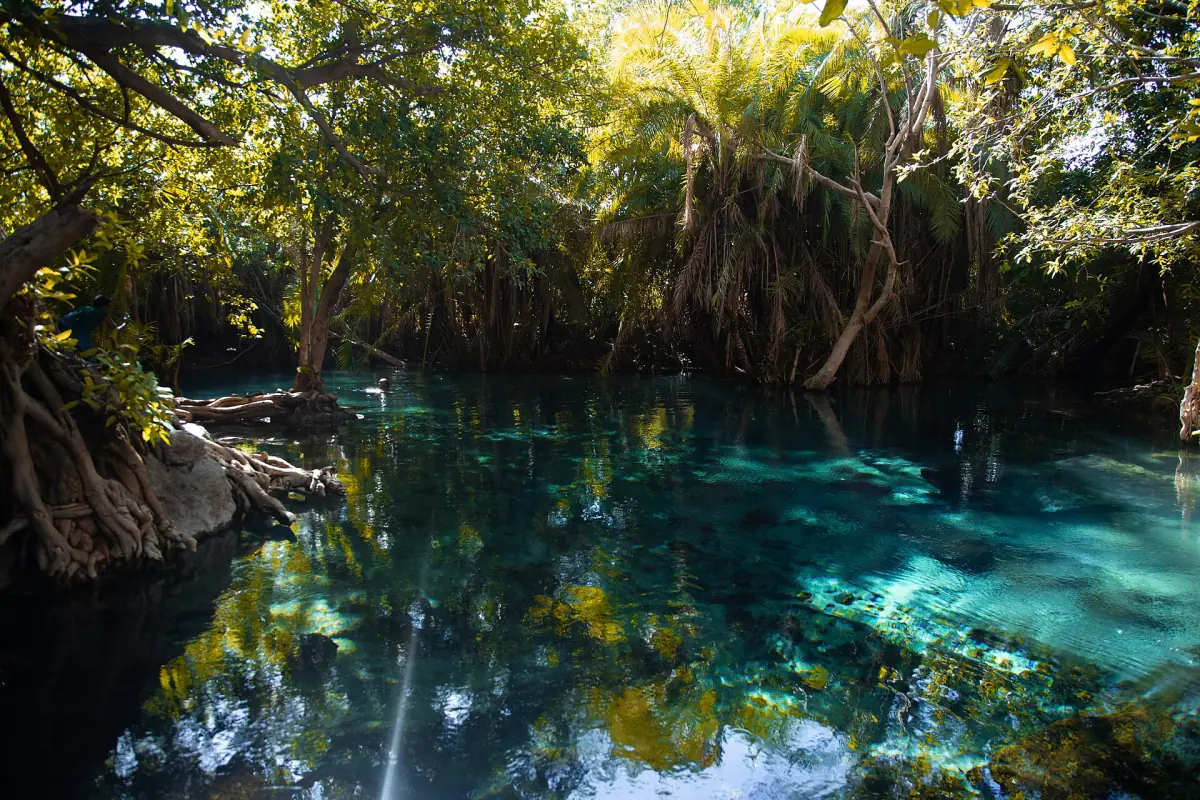
Our take: hot spring, waterfall and coffee farm, a day trip when the summit is in cloud.
Hand-picked tours, booked through GetYourGuide. Prices are indicative starting prices in US dollars (as of October 2026). Tap a tour for live availability and the current price in your currency.
Kilimanjaro treks by route and season
Treks on the main routes, day hikes and safari combinations, with live prices and availability.
Rainy seasons and the preferred months
How the seasons and the preferred climbing windows fit together.
Masika, March to May
The long rains. The start and strength vary by year, and these months are not among the preferred climbing times.
Vuli, October to December
The shorter rains, which fall mostly in November. October and December can still lie inside a preferred climbing window, so there is no guarantee of dry weather.
Preferred windows
Most climbers choose December to mid-March and late June to October. These are guidelines, not promises of dry weather. Rain or snow can come in any month.
Best time to climb →What to expect from forest to summit night
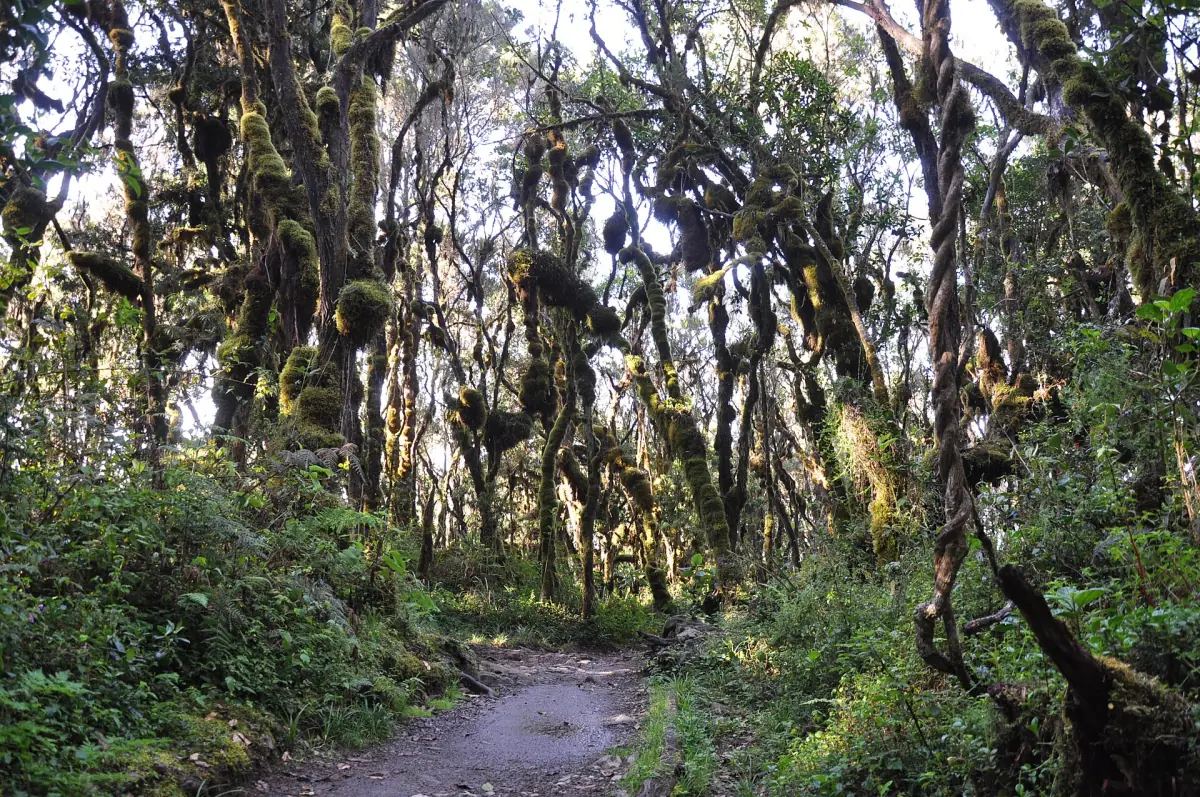
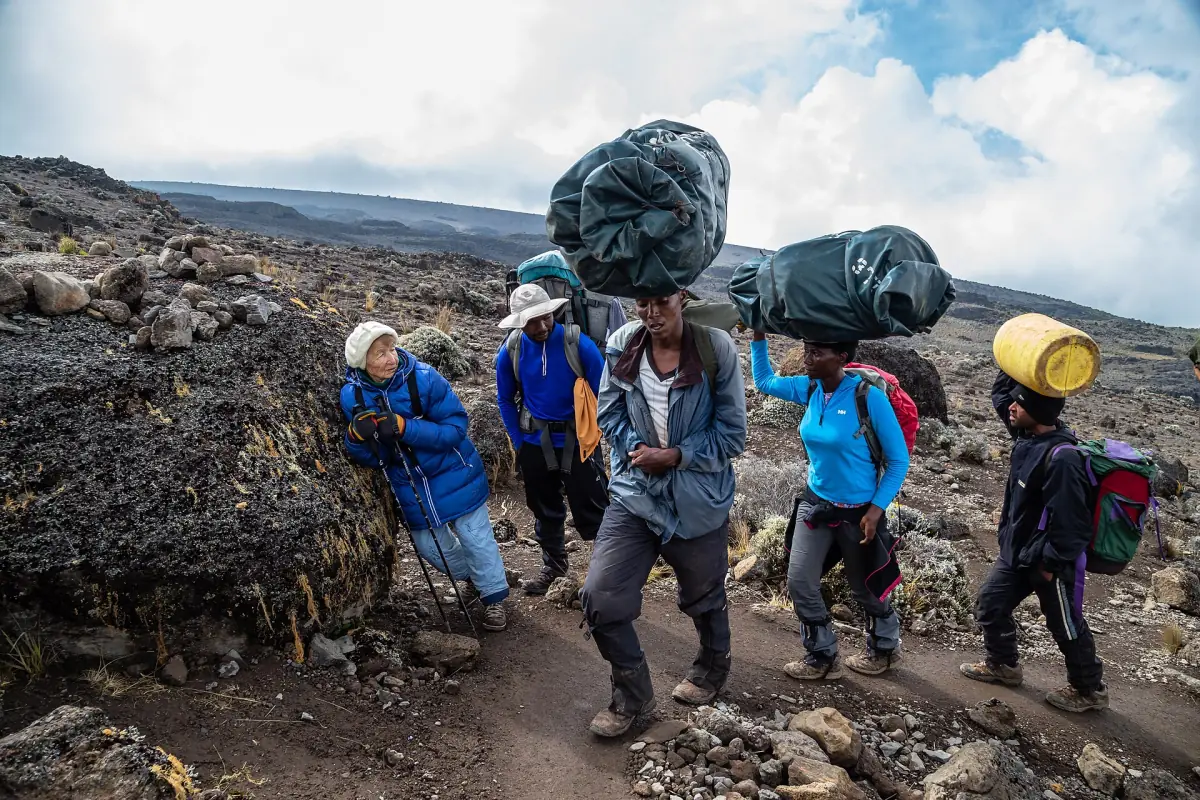
The forest trails begin the climb, and rain gear belongs in your day pack from the first day. Higher up, the heath and plateau are open to the wind, so a wind layer matters as much as a rain layer.
At the high camps you will want warm insulation layers, warm gloves and a headlamp. Summit night is the longest push: the climb from Barafu to Uhuru Peak takes 6 to 8 hours, and the descent as far as Mweka another 4 to 6 hours. Sunglasses with UV protection help in the bright upper zones.
Items such as boots, a jacket or a sleeping bag can be rented in Moshi, and it helps to ask ahead. The full list is on our Kilimanjaro packing list.
Planning around the weather
Practical habits that help whatever the season.
Layers, not one thick coat
Base layers, an insulation layer and a rain and wind shell let you adjust as the day changes.
Ask your guide each day
Your guide knows the mountain and the current conditions. Check the plan for the day at each camp.
Keep weather and altitude apart
Cold and wind make you feel worse, but they are not the same as altitude illness. Read about it before you go.
How hard is Kilimanjaro? →Keep reading
More guides for your planning.
Kilimanjaro weather: frequently asked questions
What is the weather like on Kilimanjaro?
It depends on height. The forest is a different world from the summit zone, and conditions can change quickly. Expect cold and thin air near the top.
When is the rainy season on Kilimanjaro?
The long rains, Masika, run from March to May, and the shorter rains, Vuli, from October to December. Start and strength differ from year to year.
Does it snow on Kilimanjaro?
Snow and ice are part of the summit zone, but how much lies on the ground on a given day varies. Plan for cold and wet conditions rather than for a fixed amount of snow.
Is the weather in Moshi the same as on the mountain?
No. The weather in town tells you little about the upper mountain. Conditions change with altitude, and you will cross several zones during a climb.
Which month is the driest?
No month is guaranteed dry. Most climbers choose December to mid-March and late June to October, and rain or snow can still occur in those windows.
What should I wear on Kilimanjaro?
Dress in layers: base layers, warm insulation, and rain and wind protection, plus warm gloves, sturdy boots and sunglasses with UV protection. The packing list has the details.