The Marangu Route and its huts
The Marangu Route starts at Marangu Gate and is the only route where you sleep in huts. They are called Mandara, Horombo and Kibo, and you walk up and down the same route. Programs run for 5 or 6 days on the mountain, and the route covers about 67 to 82 km depending on the variant and how it is measured.
Huts do not make the fast gain in height any easier on the body. A 5-day program is not medically equivalent to a longer one. Talk to your doctor before you book, and read the page on altitude and fitness.
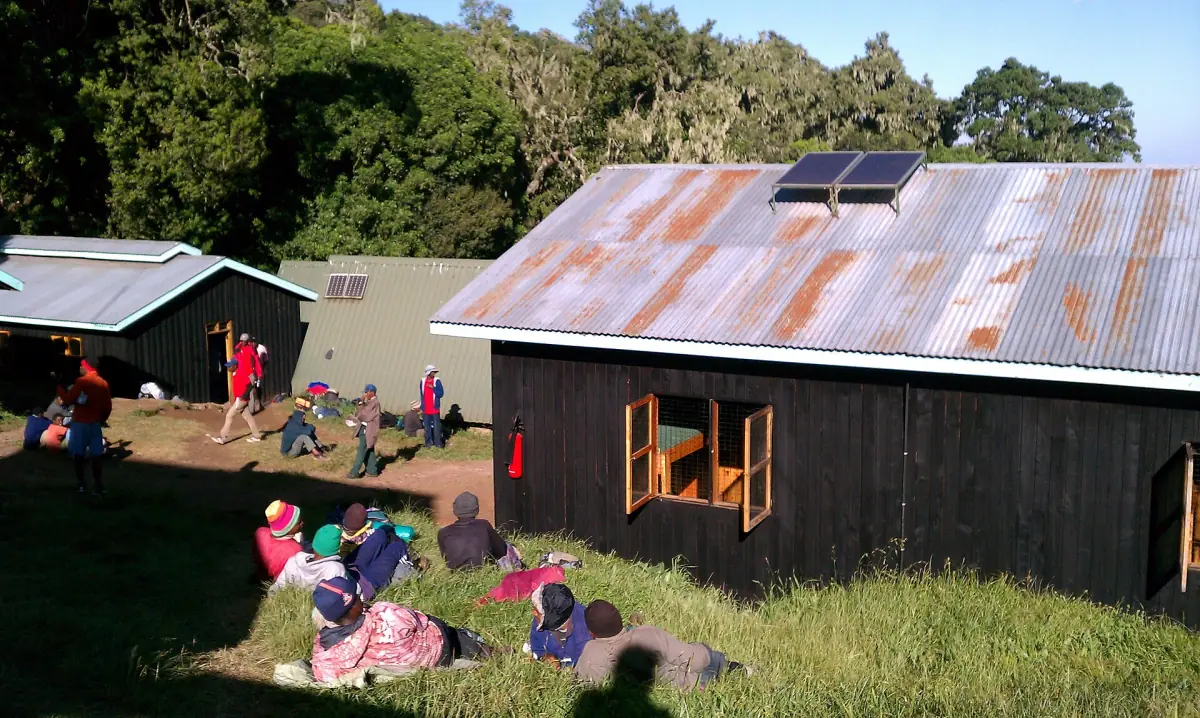
Our picks: the Marangu route
Our take: the 5-day climb is the short option with fees extra; the 6-day trek includes fees and one more day to adjust; the day hike starts at Marangu Gate.
Hand-picked tours, booked through GetYourGuide. Prices are indicative starting prices in US dollars (as of October 2026). Tap a tour for live availability and the current price in your currency.
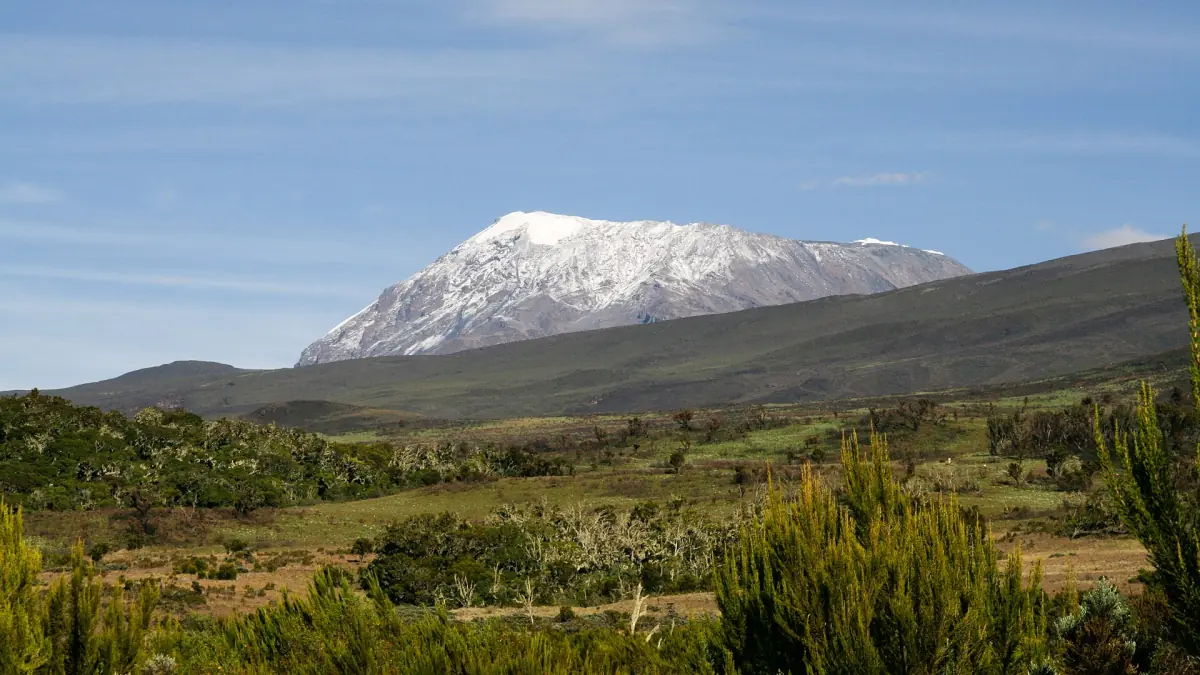
Marangu route trek in 6 days
- Park fees and permits
- Rescue fee
- Guides and porters
Park fees and permits, the rescue fee, guides and porters, meals, accommodation on the trek and transfers from the airport.
Check availability →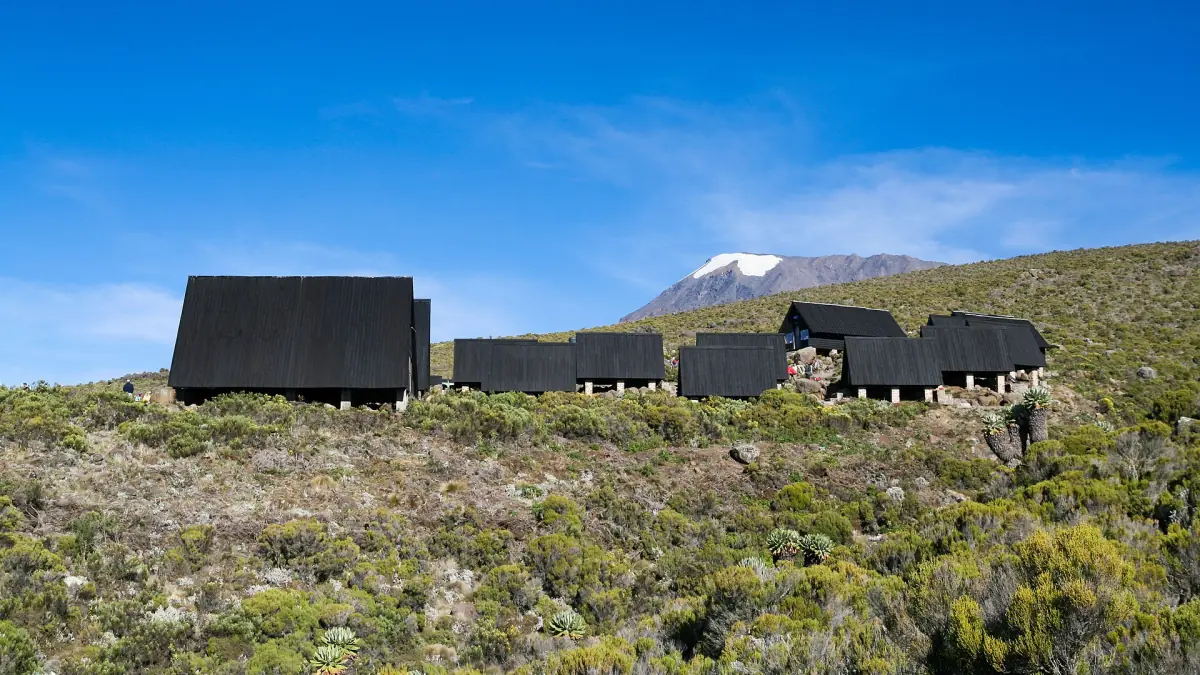
Marangu route climb in 5 days
- Airport pick-up
- One hotel night
- Fair crew wages
Airport pick-up, a hotel night, mountain meals and fair wages for the crew, with an oximeter on the way. Hut, park and rescue fees of about USD 725 are extra.
Check availability →Kilimanjaro day hike from Marangu Gate
- Pick-up and drop-off
- Lunch and drinks
- Guide fee
Pick-up and drop-off, lunch, drinks and the guide fee. Park entry of USD 82 per person is paid at the gate.
Check availability →Marangu Route treks and Kilimanjaro tours
Marangu treks of 5 or 6 days and other multi-day climbs, with live prices and availability. Check the number of days, the group size and whether hut and park fees are included.
Mandara, Horombo and Kibo hut
The heights below are rounded and vary slightly between programs.
| Stop | Altitude | What to expect |
|---|---|---|
| Marangu Gate | About 1,843 m | Start of the walk |
| Mandara | About 2,700 m | First hut, shared dormitory |
| Horombo | About 3,720 m | Second hut, the extra day stays here on the 6-day program |
| Kibo | About 4,703 m | Last hut, base for the summit push |
The huts have shared dormitories. Mattresses and pillows are provided by the operator, but you bring your own sleeping bag. Do not count on hot showers or heating. Huts must be booked in advance. For most climbers who choose Marangu, the 6-day version is the better pick because it adds a night to adjust to the height.
Marangu Route: 5 days or 6 days
Both programs use the same three huts.
| 5-day program | 6-day program | |
|---|---|---|
| Extra day at Horombo | – | Yes, with a walk toward Mawenzi Ridge and a return to the same hut |
| Huts | Mandara, Horombo, Kibo | Mandara, Horombo, Kibo |
| Route | Up and down the same route | Up and down the same route |
| Group price example 2026 | $1,399 per person | – |
The extra day at Horombo lets you see the Mawenzi side of the mountain while your body gets used to the height.
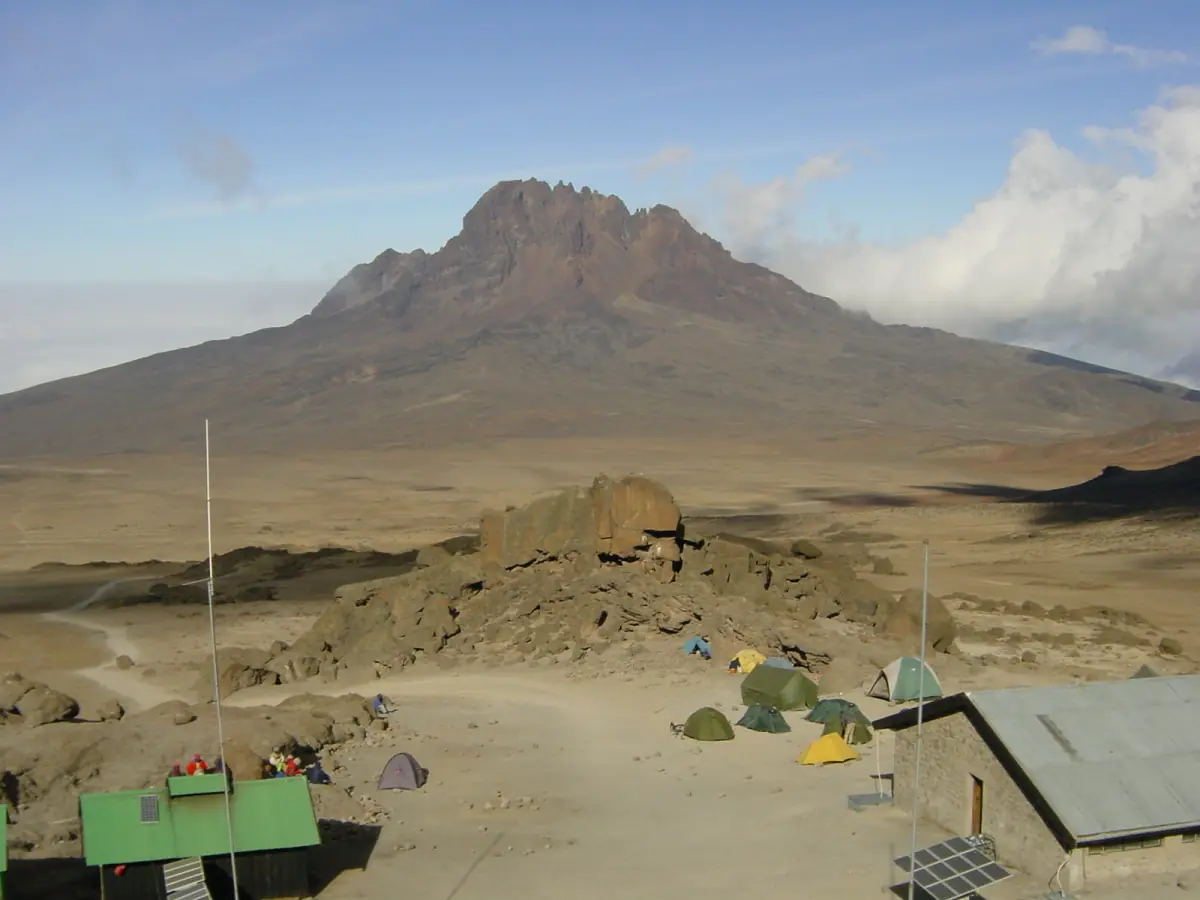
Marangu Route fees and prices
Park and hut fees in US dollars per person are conservation $70 per day, huts $60 per night and rescue $20 per tour. VAT of 18% may be added, so check whether your price includes it. A budget group departure on the 5-day program costs from $1,399 in 2026. That is a group price per person, not a private trek, so compare it with the same kind of offer.
Fees, crew and tips are explained in the cost guide. Responsible operators tell you the crew size and the tipping method before the climb. Pay each crew member directly where you can, or announce the total and its split in front of the crew.
Getting to Marangu
Hotels before and after the trek are found in Moshi and in Marangu, see where to stay. If you only want to see the forest and the first hut, the day hike to Mandara starts at the same gate. Compare the other options on the routes page, or read about the Machame Route.
Is the Marangu Route right for you?
Marangu suits climbers who want a roof over their head and a route they already know on the way down. It does not suit everyone. The route gains height quickly, and a hut bed does not change that. Medical guidance for high altitude suggests that above 3,000 m you sleep no more than about 500 m higher each day, with an extra night for every 1,000 m of sleeping height gained. Compare the hut heights above with that rule and ask your operator how the days are planned.
Headache, nausea, dizziness and tiredness after gaining height can be signs of altitude illness. Confusion, poor coordination or breathlessness at rest are warning signs that call for a descent and medical help. Fitness does not protect against any of this. Talk to your doctor before you book, and do not sleep higher while you have symptoms.
Marangu Route: frequently asked questions
Are there huts on other routes?
No. Marangu is the only route with huts. All other routes use tents.
Do I need a sleeping bag on the Marangu Route?
Yes. Mattresses and pillows are provided, but you bring your own sleeping bag. You can rent one in Moshi.
How many days does the Marangu Route take?
Programs run for 5 or 6 days on the mountain. The 6-day version adds a second day at Horombo with a walk toward Mawenzi Ridge.
Is the 5-day Marangu program a good idea?
It is the shortest option, and it leaves few nights to adjust to altitude. A longer program gives you more time. Talk to your doctor, and take symptoms such as headache, nausea or dizziness seriously.
Do hot showers or heating exist in the huts?
Do not plan on them. Bring warm clothing for the evenings.
How much does the Marangu Route cost in 2026?
A 5-day group departure costs from $1,399 per person. Private and longer programs cost more, and hut fees of $60 per night are a part of any total.