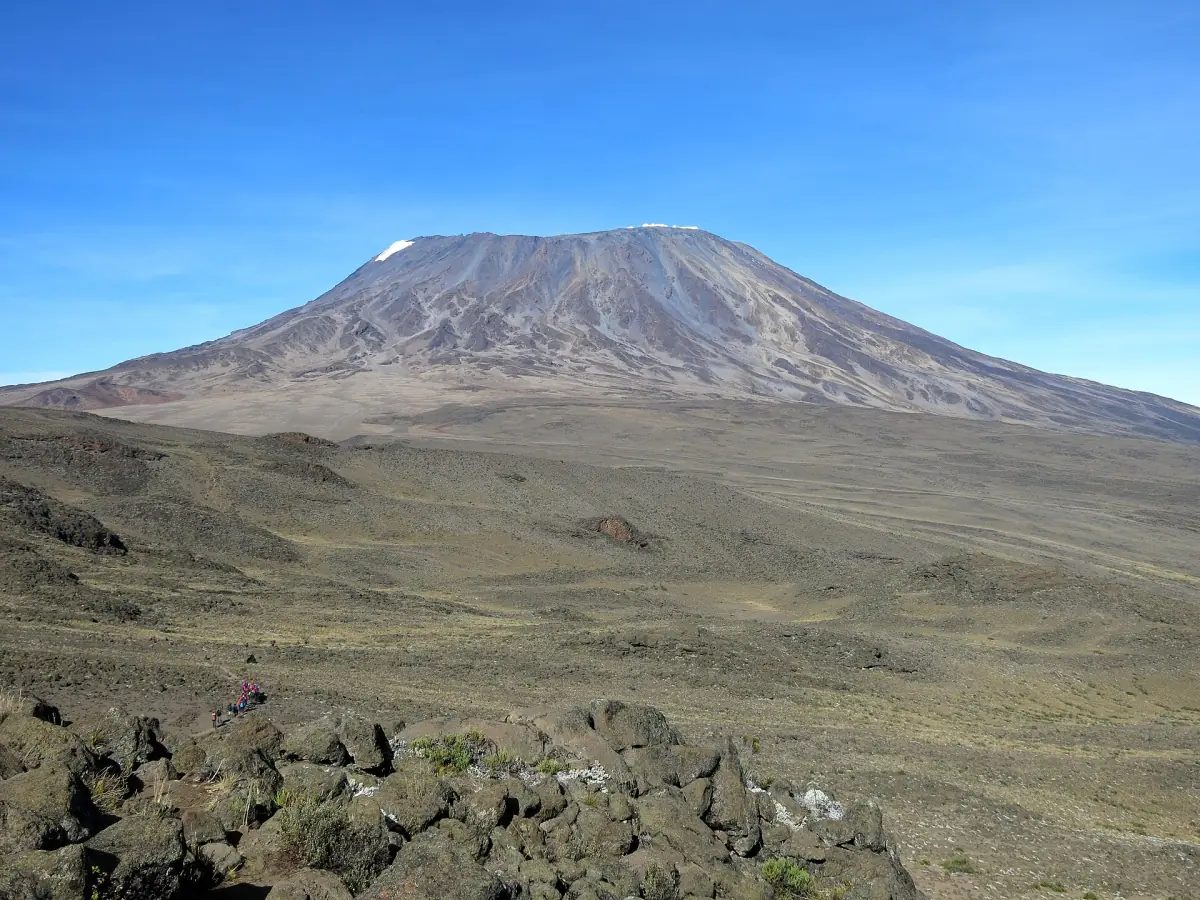
How hard is Kilimanjaro?
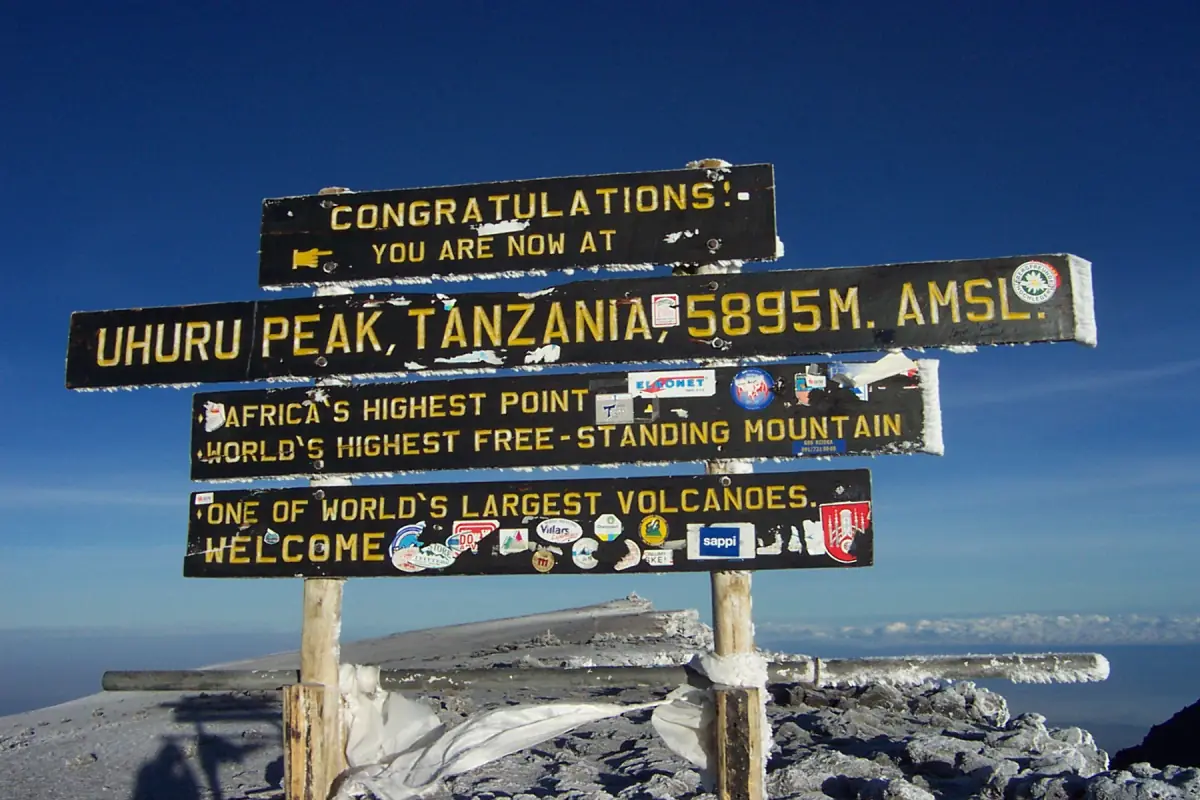
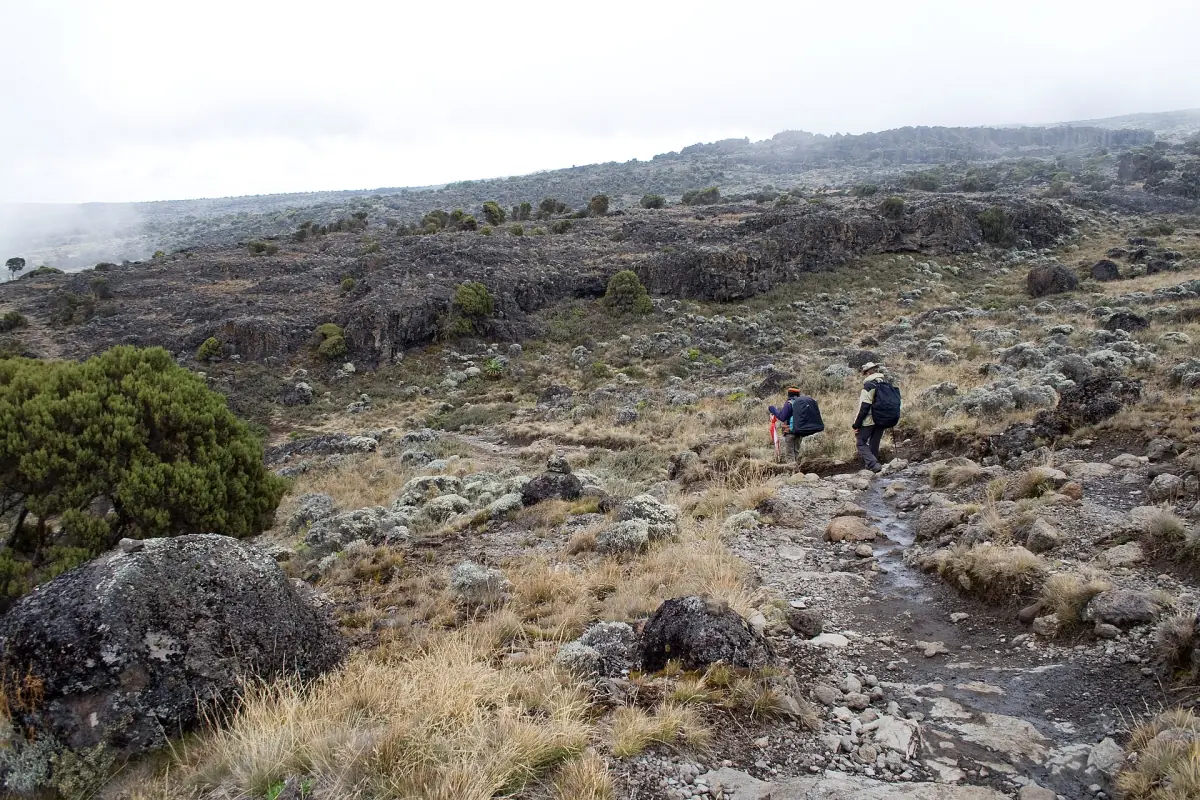
Uhuru Peak stands at 5,895 m, the highest point in Africa. Most of the difficulty comes from height. Your body needs time to adjust to thinner air, and the climb gets harder fast if the schedule is rushed. Long walking days, cold and changing weather add to the effort, but altitude is the one factor you cannot simply train away.
Fitness helps you enjoy the walking days. It does not protect you from altitude sickness, which can affect strong hikers and beginners alike. So the plan matters more than your gym routine. You also cannot climb alone: ascents go with a licensed operator and guide. If you are still choosing, compare the available Kilimanjaro treks and check the number of days first.
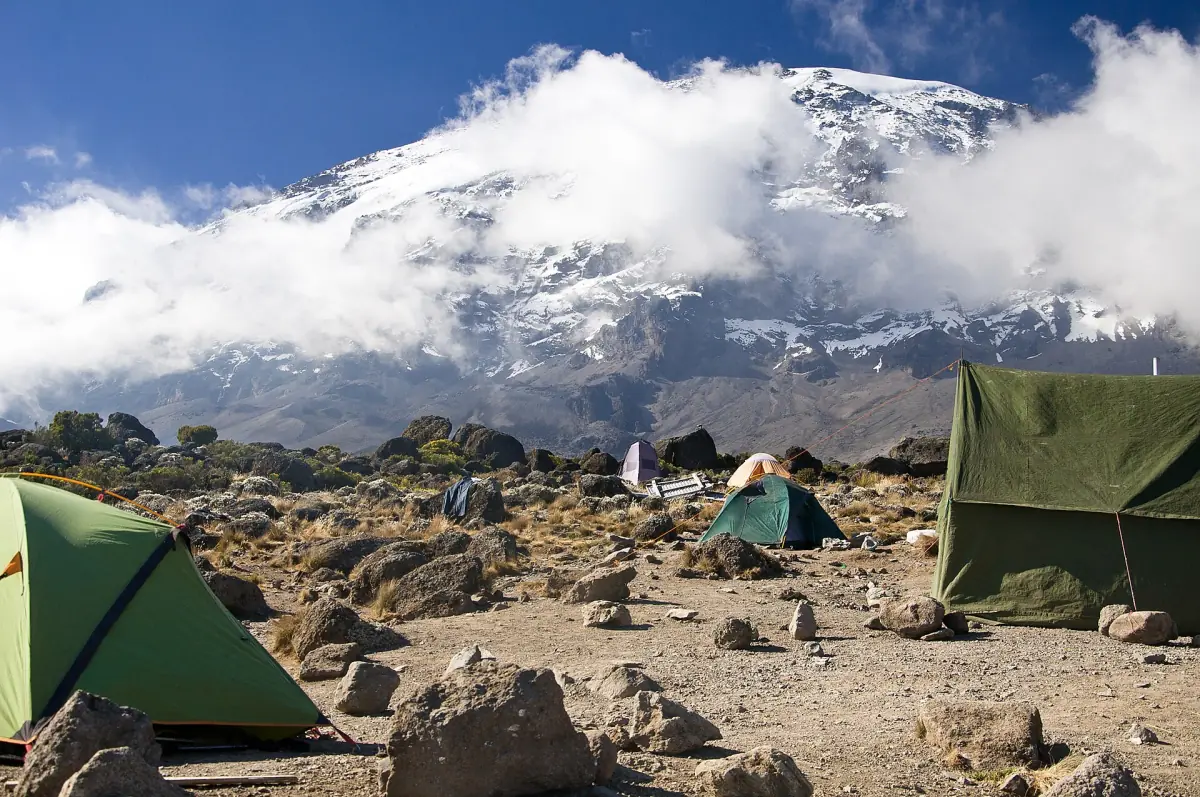
Altitude sickness: symptoms and warning signs
General guidance only. Talk to your doctor before you go.
Acute mountain sickness
The usual sign is a headache after you gain height, often with nausea, loss of appetite, dizziness or tiredness. Treat a headache at altitude as a signal to slow down, not to push on. Do not sleep higher while you have symptoms.
Serious warning signs
Confusion or poor coordination can point to HACE, and shortness of breath at rest can point to HAPE. Both call for an urgent descent and medical care. If symptoms get worse despite rest, go down.
Medication
Acetazolamide (Diamox) is sometimes used to support acclimatisation. Whether it suits you, and how to take it, is a question for your doctor or a travel medicine clinic before the trip. It is no replacement for a descent when someone becomes seriously ill.
Speak up early
Tell your guide about every symptom as soon as you notice it. Decisions about resting or descending are easier when they are made early.
Our pick: the hut route
Our take: the Marangu climb with an oximeter to check your oxygen level on the way up.
Hand-picked tours, booked through GetYourGuide. Prices are indicative starting prices in US dollars (as of October 2026). Tap a tour for live availability and the current price in your currency.
Kilimanjaro treks with time to acclimatise
Multi-day climbs on the main routes, from shorter programmes to longer ones with extra days, with live prices and availability.
Route length and acclimatisation
Medical guidance for travel above 3,000 m is simple: sleep no more than about 500 m higher each day, and add an extra night for every 1,000 m of sleeping height you gain. Not every programme on sale meets that guidance, so look at the days and the camps, not only the route name.
| Route | Mountain days | What matters for acclimatisation |
|---|---|---|
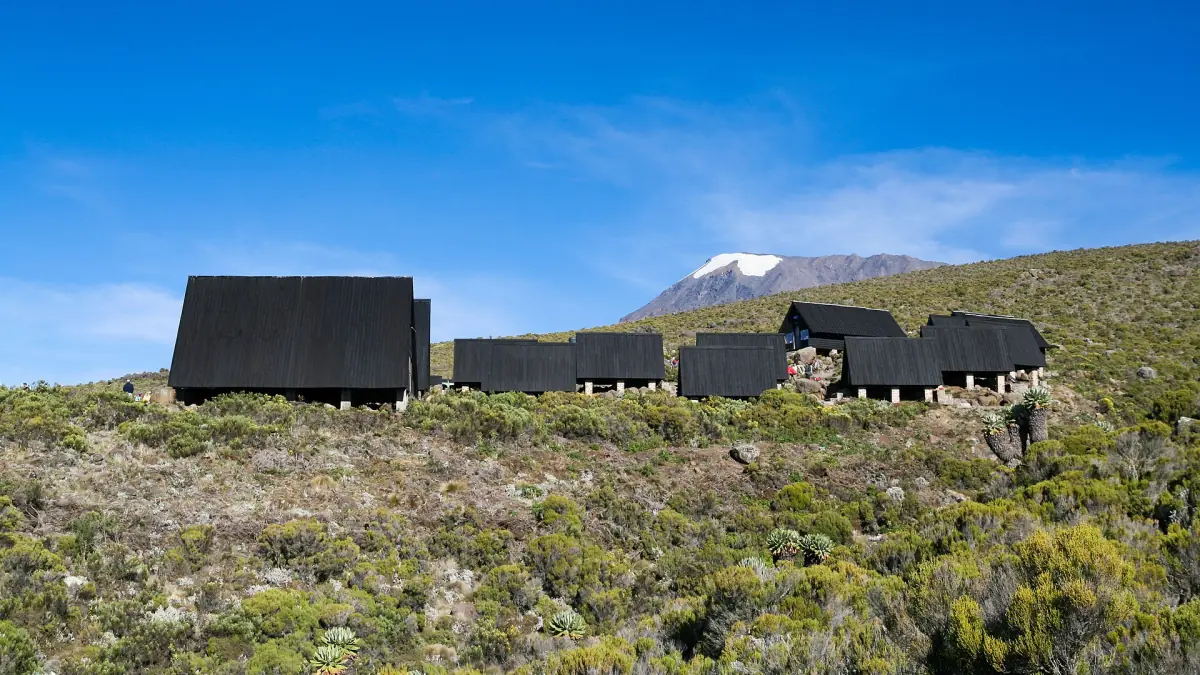
| Marangu | 5 or 6 | Huts at Mandara (about 2,700 m), Horombo (about 3,720 m) and Kibo (about 4,703 m). The 6-day version adds a second night at Horombo with a walk toward Mawenzi Ridge. |
| Machame | 6–8, standard 7 | Lava Tower (4,630 m) is a high point by day, then you sleep lower at Barranco (about 3,976 m). The 6-day version skips the Karanga night. |
| Lemosho | 7–9, standard 8 | Starts at Mti Mkubwa (about 2,895 m), then Shira 1 (about 3,505 m) and Moir (about 4,206 m) on the standard programme. Longer versions spread the same height over more days. |
| Rongai | 6–8, standard 7 | The example programme adds an extra acclimatisation day at Mawenzi Tarn, about 4,316 m. |
| Umbwe | 6 or 7 | A steep, direct climb: first camp about 2,900 m, Barranco about 3,976 m the next day. The longer version adds a day at Barranco. |
| Shira | 7 or 8 | A vehicle takes you high onto Shira Ridge, so the first night is already at about 3,597 m. The 8-day version adds Moir as a night. |
A 5-day Marangu programme gains height faster than a 6-day one, and the huts do not change that. For most first-time climbers, the longer version of a route is the better choice, because every extra day gives your body more time to adjust. Full day-by-day profiles are on the routes page, with detail for the Machame, Marangu and Lemosho routes.
Summit day and the descent
On the standard Machame programme you walk from Barafu Camp (about 4,673 m) to Uhuru Peak in 6 to 8 hours. The way down to Mweka (about 3,068 m) takes a further 4 to 6 hours. Your own times can be shorter or longer.
Conditions change quickly with height, so you need to be ready for rain, wind and cold. The packing list covers what to carry, and the best time to climb page explains the seasons. Check that your own travel insurance covers trekking to 5,895 m, including rescue. Tanzania's compulsory entry insurance, in place since October 2026, is a separate requirement, described on the getting there page.
Plan your climb
Where to go next.
Kilimanjaro difficulty: frequently asked questions
Is Kilimanjaro hard to climb?
It is demanding mainly because of altitude. The summit is at 5,895 m and the walking days are long. Fitness helps, but altitude sickness can affect fit and unfit people alike. A longer route gives you more time to adjust.
What are the first signs of altitude sickness?
A headache after gaining height, often with nausea, loss of appetite, dizziness or tiredness. Tell your guide early and do not sleep higher while you have symptoms.
Which route is right for acclimatising?
No route is easy by itself, so compare days rather than names. Programmes of 7 to 9 days, such as the standard 7-day Machame or 8-day Lemosho, give more time than a 5-day Marangu. Ask how many nights you spend at which height.
How likely is it that I reach the summit?
That depends on the route, the number of days and the individual climber, and no single figure fits everyone. What you can influence is the number of days, your pace and how early you report symptoms.
Can I take Diamox?
Acetazolamide is sometimes used to support acclimatisation, but whether it suits you is a question for your doctor or a travel medicine clinic before you travel. It does not replace descending if you become seriously ill.
Is this the official Kilimanjaro National Park website?
No. This is an independent guide with no connection to Tanzania National Parks, the national park or any climbing operator.