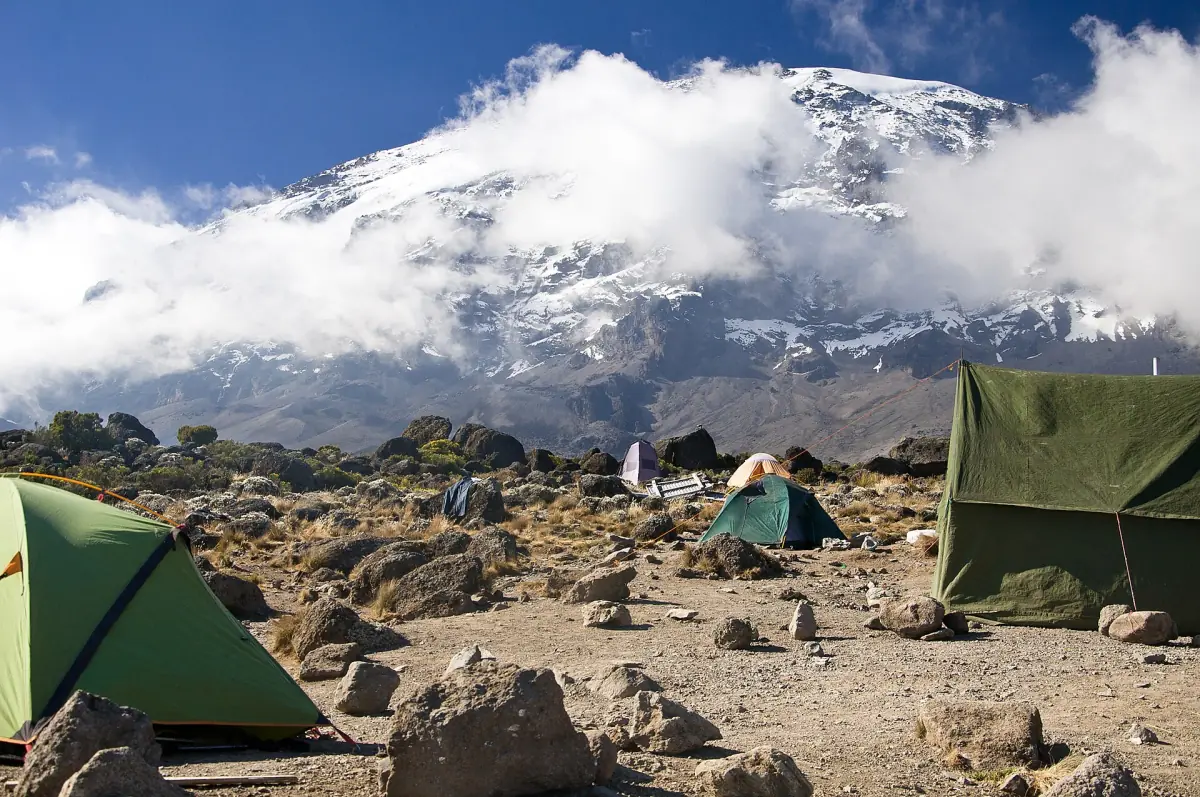
What to pack for Kilimanjaro
Your climb passes through very different conditions, from forest near the gate to the bare upper slopes. The essentials are warm insulating and base layers, rain and wind protection, hiking boots, warm gloves, UV sunglasses, a headlamp, a sleeping bag, a daypack and sturdy water bottles. Pack for cold, wind and rain, because conditions change quickly with height.
Check what your booking includes before you buy or rent anything. One 2026 group package, for example, includes tent and mat but leaves out personal gear and tips. If you have not chosen a trek yet, compare the available Kilimanjaro treks and read the inclusions first.
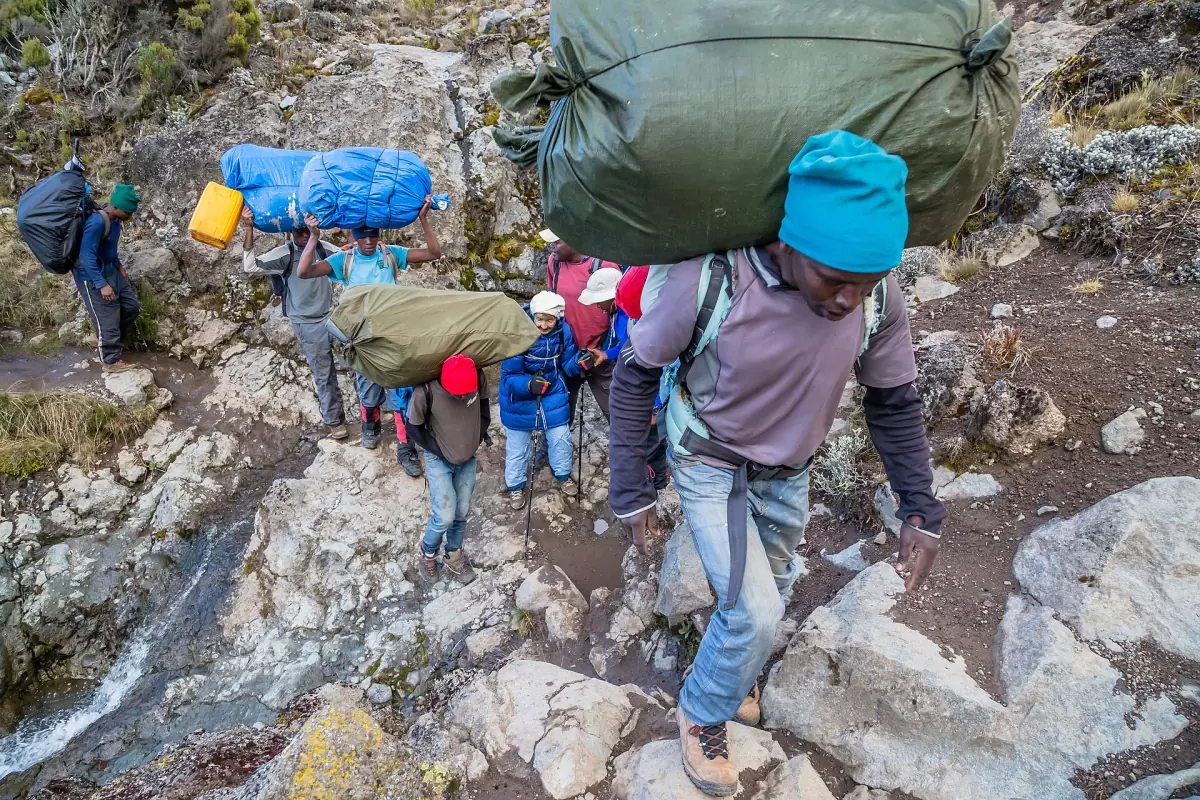
The packing list, item by item
The core gear for a multi-day climb.
Layers
Bring warm insulating layers and base layers. Temperatures differ a lot between the forest and the high camps, and layers let you adjust. Keep a warm layer where you can reach it quickly.
Rain and wind protection
A rain jacket and wind protection are part of every list. Rain, wind and cold are all possible, so do not leave them at the hotel.
Boots and gloves
Wear hiking boots you have already walked in, not new ones. Bring warm gloves for the cold hours at altitude.
Sunglasses and headlamp
UV sunglasses protect your eyes at height. A headlamp is essential for early starts and camp life. Rental headlamps come without batteries, so bring your own spares.
Sleeping bag
Huts on the Marangu route have shared dormitories with mattresses and pillows, but you bring your own sleeping bag. On tent routes, ask whether tent and mat are part of your package.
Daypack and bottles
Carry a daypack for what you need during the walk, and sturdy water bottles. Some operators do not accept soft plastic bottles, so choose robust plastic or metal ones.
Our pick: what the crew brings
Our take: this Rongai climb includes camping gear and meals; your sleeping bag you pack yourself.
Hand-picked tours, booked through GetYourGuide. Prices are indicative starting prices in US dollars (as of October 2026). Tap a tour for live availability and the current price in your currency.
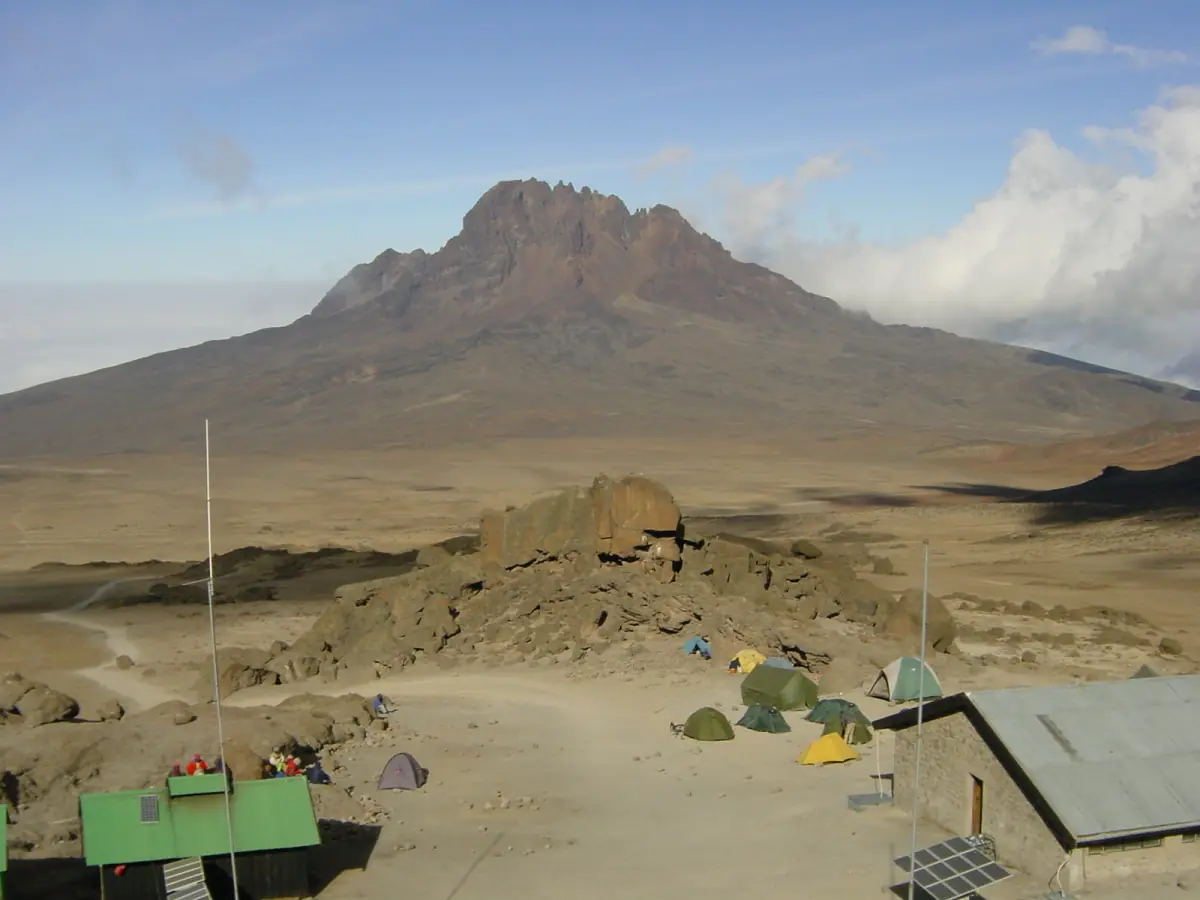
Kilimanjaro treks and day hikes
Multi-day climbs and day hikes on Kilimanjaro, with live prices, inclusions and availability.
Rent Kilimanjaro gear in Moshi
Rental examples per trek in 2026. Prices and stock differ by shop, so use them as a guide.
| Item | Rental per trek | Note |
|---|---|---|
| Hiking boots | $20 | Ask early for your size |
| Jacket | $20 | Check the warmth rating with the shop |
| Headlamp | $10 | Batteries not included |
| Trekking poles (pair) | $10 | – |
| Synthetic sleeping bag | $30 | Cheaper of the two bags |
| Down sleeping bag | $50 | Warmer option |
Moshi is where this gear is offered for rent. Reserve ahead, because sizes and condition are not guaranteed. For most travellers flying in, renting the sleeping bag and poles saves luggage space, while boots are better brought from home and already broken in. More on the town is on the Moshi page.
Rules that affect your bag
Small points that save trouble at the airport and in the park.
Plastic bags
Plastic carrier bags have been banned on mainland Tanzania since 1 June 2019. Certain packaging and zip bags for toiletries that you carry with you are exempt. Pack in cloth or dry bags instead.
Drones
Flying a drone in the park needs prior permission. If you are unsure, leave it at home.
Porter loads
The company load per porter is capped at 20 kg, not counting personal luggage. Ask your operator how much your own bag may weigh and pack light.
Documents and health
Visa, insurance and yellow fever rules are on the getting there page. Altitude sickness and what to ask your doctor are covered under how hard Kilimanjaro is. Tips are paid separately, see Kilimanjaro costs.
Kilimanjaro packing list: frequently asked questions
What should I wear on Kilimanjaro?
Layers: warm insulating and base layers, plus rain and wind protection, hiking boots and warm gloves. Conditions change quickly with height, so you want to be able to add or remove clothing.
Can I rent gear in Moshi?
Yes. Examples per trek in 2026 are $20 for boots or a jacket, $10 for a headlamp without batteries or a pair of poles, $30 for a synthetic sleeping bag and $50 for a down bag. Reserve ahead, because sizes and condition vary.
Do I need my own sleeping bag?
On the Marangu hut route you do, as the huts provide mattresses and pillows but not sleeping bags. On tent routes, check whether your package includes one or whether you should rent a bag.
Are plastic bags allowed?
Plastic carrier bags are banned on the mainland. Zip bags for toiletries you carry with you are exempt. Use cloth or dry bags for the rest.
Which water bottle should I take?
Sturdy plastic or metal bottles. Soft plastic bottles are not accepted by some operators, so check with yours.
Is this the official Kilimanjaro National Park website?
No. This is an independent guide with no connection to Tanzania National Parks, the national park or any climbing operator.